Winkelbohrspindel: A Complete 2025 Guide to Features, Uses & Industrial Benefits

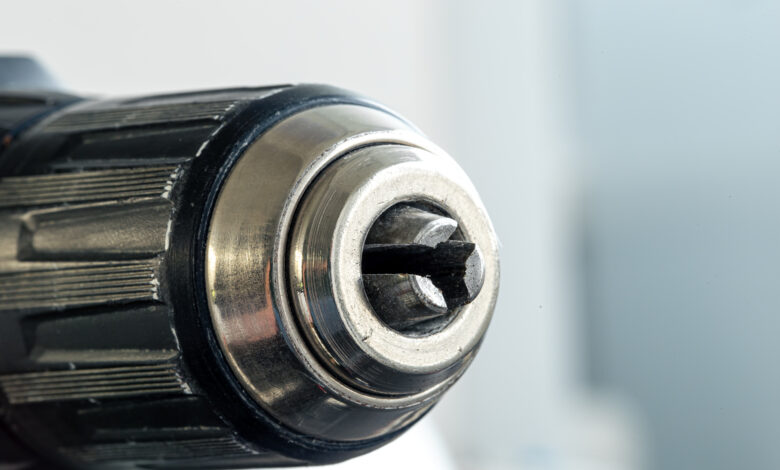
A winkelbohrspindel is one of the most important engineering tools in modern machining and manufacturing. As industries move toward complex geometries, tight tolerances, and multi-axis capability, the demand for specialized angle-drilling tools has skyrocketed. The winkelbohrspindel — known in English as an angle drilling spindle — provides the perfect solution. Designed to transmit torque through a defined angle, this spindle allows precision drilling, milling, and tapping in locations where standard tools simply cannot reach.
In this comprehensive guide, we explore the meaning, structure, technology, benefits, applications, and growing relevance of the winkelbohrspindel in modern CNC and industrial setups.
What Is a Winkelbohrspindel?
A winkelbohrspindel is a mechanical spindle attachment engineered to perform machining operations at specific angles, typically 90°, although adjustable-angle versions exist. It uses an internal bevel gear system to redirect rotational movement from the machine spindle to the cutting tool. This mechanism enables high-precision operations on surfaces that are hard to access with traditional vertical or horizontal spindles.
The winkelbohrspindel is widely used in:
-
CNC machining centers
-
Milling and drilling machines
-
Industrial robots
-
Automated assembly systems
-
Woodworking and metalworking stations
By allowing efficient angled machining without repositioning the workpiece, a winkelbohrspindel significantly increases accuracy and speed.
How a Winkelbohrspindel Works
The working principle of the winkelbohrspindel revolves around angular torque transmission. Inside its compact housing, precision-engineered bevel gears transfer rotational force from the main spindle to the output spindle at an angle. This redirection is achieved with minimal power loss thanks to advanced metallurgy and optimized gear geometry.
Key Working Steps:
-
Power Input
The machine spindle or external motor delivers rotational motion to the winkelbohrspindel. -
Gear Transmission
Bevel or spiral gears rotate and transmit the torque at the configured angle. -
Tool Rotation
The output spindle holds the cutting tool, enabling accurate angular machining. -
Cooling & Lubrication
Many winkelbohrspindel models include internal coolant channels to prevent overheating during high-speed operations.
This efficient mechanism allows manufacturers to tackle complex hole patterns, side-wall drilling, undercuts, and multi-angle machining with ease.
Core Components of a Winkelbohrspindel
A high-quality winkelbohrspindel is built with precision components to ensure strength, accuracy, and long service life:
1. Spindle Housing
Made from steel or aluminum alloy, it provides rigidity and vibration stability.
2. Bevel Gear System
The heart of the winkelbohrspindel, responsible for redirecting torque with high accuracy.
3. High-Speed Bearings
Support smooth rotation and enhance lifespan even at high RPMs.
4. Tool Interface
Includes systems like HSK, BT, CAT, or ER collets for secure tool holding.
5. Cooling System
Integrated channels or external coolant ports keep temperatures stable and reduce wear.
Together, these components ensure the winkelbohrspindel performs reliably even in demanding environments.
Types of Winkelbohrspindeln
Industries use different winkelbohrspindel types based on their operational needs:
1. Fixed-Angle Winkelbohrspindel
Designed for repetitive operations at a constant angle, usually 90°.
2. Adjustable-Angle Winkelbohrspindel
Allows angle variation, ideal for custom or complex machining.
3. Compact Winkelbohrspindel
Used in small machines or tight spaces where maneuverability is essential.
4. Heavy-Duty Winkelbohrspindel
Built for high torque and large cutting tools in heavy industries.
5. High-Speed Winkelbohrspindel
Designed for electronics, aerospace, and precision engineering applications requiring extremely high RPMs.
Industrial Applications of Winkelbohrspindel
The winkelbohrspindel plays a vital role in modern production lines. Some key sectors include:
Automotive Industry
Used for drilling engine blocks, transmission casings, cylinder heads, and complex metal parts.
Aerospace Manufacturing
Ideal for multi-angle holes in turbine components, aircraft structures, and lightweight alloys.
Robotics & Automation
Integrated into robotic arms for side drilling, deburring, and angled machining tasks.
Mold & Die Making
Perfect for undercuts, narrow cavities, and intricate mold geometries.
Metalworking & Fabrication
Widely used for side milling, tapping, and slot machining.
Woodworking
Ensures precise angled joints, holes, and custom wooden designs.
These applications show why the winkelbohrspindel is considered indispensable in industrial machining.
Benefits of Using a Winkelbohrspindel
The widespread adoption of the winkelbohrspindel is due to its technical and operational advantages:
1. High Flexibility
Enables multi-angle machining without repositioning the workpiece.
2. Time & Cost Efficiency
Reduces setup time and increases production speed.
3. Precision Machining
Bevel gears ensure stable and accurate torque transfer.
4. Access to Hard-to-Reach Areas
Ideal for confined spaces or angled surfaces.
5. Improved Tool Life
Better cooling and controlled torque reduce wear.
6. Enhanced Surface Finish
Minimized vibration ensures smooth machining results.
7. Compatibility
Easily integrates with most CNC machines and robotic tools.
These advantages make the winkelbohrspindel a must-have tool for manufacturers aiming for high-quality output.
How to Choose the Right Winkelbohrspindel
Before selecting a winkelbohrspindel, consider:
-
Machine compatibility (HSK, BT, CAT, etc.)
-
Required torque and speed
-
Fixed or adjustable angle
-
Tool size and load capacity
-
Cooling requirements
-
Weight and spindle length
-
Brand reliability (BENZ, BIG Kaiser, Parlec, etc.)
A properly selected winkelbohrspindel ensures optimum accuracy and long-term performance.
FAQs About Winkelbohrspindel
1. What is a winkelbohrspindel used for?
It is used for precision angle drilling, milling, and tapping in CNC and manual machining operations.
2. How many times can a winkelbohrspindel be used?
With proper lubrication and maintenance, it can last for thousands of hours of industrial use.
3. Is a winkelbohrspindel compatible with all CNC machines?
Most models are compatible, but users must match the tool interface and machine power specs.
4. Can a winkelbohrspindel perform high-speed operations?
Yes, high-speed versions are specially designed for aerospace and electronics applications.
5. How do I maintain a winkelbohrspindel?
Perform regular lubrication, clean debris, inspect bearings, check alignment, and ensure proper coolant flow.
blogbuz