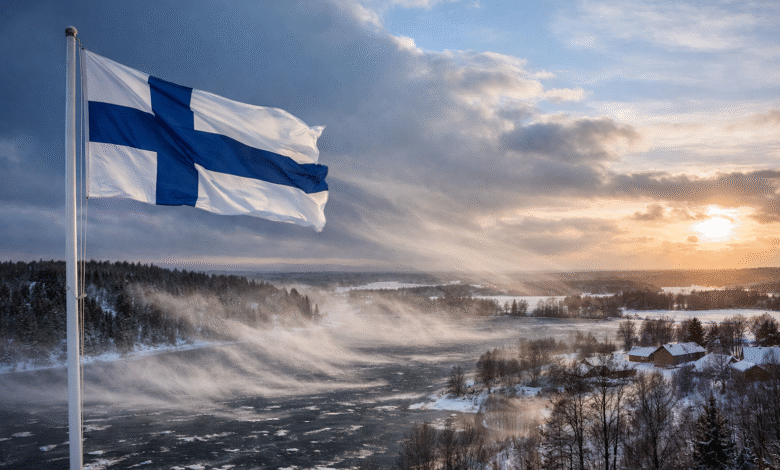
Introduction:
The movement of wind is a natural process that plays a crucial role in shaping the Earth’s weather patterns. Winds come from different directions and originate from various parts of the globe, influencing everything from local weather to global climate systems. One of the intriguing phenomena that weather enthusiasts often notice is the wind blowing from Finland. While this term might sound specific and intriguing, it is part of the broader concept of wind patterns and atmospheric circulation.
In this article, we will explore the science behind the wind blowing from Finland, why it matters, and how it can impact different regions. Additionally, we will delve into the factors that determine wind direction, with a focus on how the wind from Finland affects the surrounding areas and the weather patterns it creates.
What Is the Wind and How Does It Work?
Wind is simply moving air that flows from regions of high pressure to areas of low pressure. The Earth’s atmosphere is constantly in motion, driven by the sun’s energy, which warms different parts of the planet. This uneven heating creates areas of high pressure (where the air is cooler and denser) and low pressure (where the air is warmer and less dense).
The wind blowing from Finland is essentially a manifestation of these atmospheric movements. Depending on the prevailing conditions, winds in Finland may come from the north, south, west, or east, shaping the local climate.
The Role of Finland in Wind Patterns
Finland’s geographical location, positioned in northern Europe, means that the winds here are influenced by a variety of factors. The country’s proximity to the Arctic Circle means that cold winds from the north can be particularly intense. These winds, referred to as polar winds, can create significant cold spells in the region, affecting not only Finland but the surrounding countries as well.
In addition to polar winds, Finland also experiences prevailing westerlies, which bring moisture and warmer air from the Atlantic Ocean. These westerlies are one of the most common sources of wind blowing from Finland and can lead to more mild weather during the winter months.
Factors That Influence Wind Direction in Finland
The wind blowing from Finland is influenced by several factors, including:
-
Geographical Position: Finland’s location in northern Europe makes it subject to both Arctic air masses from the north and milder, moist air from the Atlantic. This leads to frequent shifts in wind patterns.
-
Pressure Systems: Low-pressure systems, often formed in the North Atlantic, bring winds from the west, while high-pressure systems in the east create winds from the east or north.
-
Seasonal Changes: During the winter months, Finland tends to experience colder winds from the north, while in the summer, winds from the south bring warmer air to the region. These shifts are crucial in determining the overall weather.
The Impact of Wind Blowing from Finland on Local Weather
When the wind blows from Finland, it can have a significant impact on local weather conditions. For example:
-
Cold Winters: The wind blowing from Finland in the winter months often brings extremely cold temperatures to northern Europe. This is particularly true when winds come from the Arctic Circle, causing chilly conditions that can affect neighboring countries like Russia, Sweden, and Norway.
-
Precipitation: Winds from Finland can also carry moisture. When moist air from the Baltic Sea meets colder air from the north, it can lead to snowstorms, especially in the Finnish regions closest to the coast.
-
Seasonal Variations: In the summer, the wind blowing from Finland can be milder and more humid, bringing slightly warmer temperatures to the Scandinavian countries. This leads to a more temperate climate in Finland’s coastal areas compared to the cold winters.
How Does Wind Blowing from Finland Affect Other Countries?
The wind blowing from Finland doesn’t just impact Finland; it extends its effects to surrounding countries as well. The wind’s direction plays a role in shaping the climate of Scandinavia, and even parts of Russia and Eastern Europe.
-
Sweden and Norway: Finland’s neighboring countries often experience similar winds, with colder, northern winds pushing into Sweden and Norway, particularly during winter.
-
Russia: Winds blowing from Finland towards Russia can bring snowstorms and freezing temperatures to areas like St. Petersburg, especially when polar winds are dominant.
-
The Baltic States: Countries such as Estonia, Latvia, and Lithuania are particularly affected by winds coming from the north, which can influence the local weather and bring colder conditions.
Wind Blowing from Finland: A Seasonal Event
While Finland experiences winds year-round, the wind blowing from Finland is most noticeable during the seasonal transitions. Winter winds are often colder and more intense, while summer winds tend to be warmer and milder. This seasonal variation plays a key role in shaping Finland’s distinct climate.
Frequently Asked Questions (FAQs)
1. What causes the wind to blow from Finland?
The wind blowing from Finland is primarily caused by atmospheric pressure systems. Cold air from the Arctic or polar regions can lead to winds blowing southward, while milder winds from the Atlantic can bring warmer conditions.
2. Does wind blowing from Finland affect global weather?
While the wind blowing from Finland has a localized impact, it can contribute to broader weather systems. For example, polar winds can influence weather patterns across northern Europe and beyond, affecting neighboring countries and creating cold spells.
3. How do seasonal changes affect wind in Finland?
In the winter, winds in Finland tend to come from the north, bringing cold Arctic air. In contrast, summer winds often come from the south or west, bringing warmer and more humid conditions to the region.
4. Can wind from Finland bring snowstorms?
Yes, when the wind blows from Finland and carries moisture from the Baltic Sea, it can lead to snowstorms, especially in winter. These winds can also contribute to heavy snowfall in neighboring countries.
Conclusion
The wind blowing from Finland is a fascinating natural phenomenon that plays a critical role in shaping the region’s weather patterns. From the cold, polar winds of winter to the milder breezes of summer, the wind in Finland is influenced by a variety of factors, including geography, pressure systems, and seasonal changes. Whether it’s affecting neighboring countries or bringing snowstorms to the region, the wind’s journey from Finland is an essential part of the global atmospheric circulation.