Romilly Weeks – A Trusted Face of British Journalism and the Truth Behind Public Curiosity
An accurate, fact-based profile of a respected ITV News political correspondent

Introduction
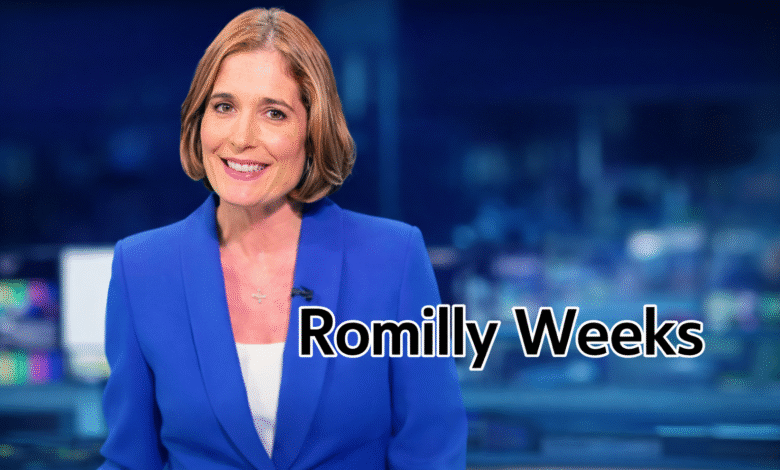
Romilly Weeks is one of the most recognisable and trusted journalists on British television. Known for her calm authority and clear political reporting, she has built a long and credible career with ITV News. Over the years, public interest in her professional life has grown, and with that curiosity, questions have also emerged online about personal topics, including health-related speculation. This article presents only verified, real information, separating facts from rumours, while offering a complete and responsible overview of Romilly Weeks’ life and career.
Early Life and Background
Romilly Weeks was born and raised in London, United Kingdom. She grew up in a private family environment and has consistently kept details of her childhood and parents out of the public eye. This discretion has been a defining feature of her personal life and has allowed her to focus public attention on her work rather than her private affairs.
She holds British nationality and speaks with a clear standard British (Received Pronunciation-style) accent, commonly associated with national news broadcasting in the UK.
Education and Entry into Media
Details of Romilly Weeks’ formal education have not been publicly disclosed in verified sources. What is known is that her early professional path began not in journalism but in acting, a background that helped her develop on-camera confidence and communication skills before transitioning into news reporting.
Start of Career: From Acting to Journalism
Romilly Weeks began her professional life as an actress in the late 1990s, appearing in British television productions. While acting offered early visibility, she soon shifted toward journalism, seeking a more substantive and impactful role in public communication.
Her move into journalism proved decisive. She joined ITN, the production company behind ITV News, where she trained as a broadcaster and reporter. This transition marked the true beginning of her long-standing career in news.
Complete Career Overview at ITV News
Romilly Weeks’ journalism career has been shaped by steady progression and high-profile assignments.
She first became a news presenter on the ITV News Channel, delivering rolling news and breaking stories. Her reliability on screen led to further responsibility, and she later served as Royal Correspondent, covering major royal events, including overseas tours, ceremonies, and national moments of significance.
In 2012, she was appointed Political Correspondent, based at Westminster. In this role, she reports on:
-
UK government policy
-
Elections and parliamentary debates
-
National political crises and reforms
She has also reported from international conflict zones, including being embedded with British military forces and covering major global disasters. This field experience has strengthened her reputation as a serious and resilient journalist.
Romilly Weeks Illness – What Is Fact and What Is Not?
Romilly Weeks illness
There is no confirmed or publicly verified information stating that Romilly Weeks suffers from any illness. Neither ITV News nor Romilly Weeks herself has made any announcement regarding health conditions.
Online searches sometimes link her name with health-related queries, but these are based on speculation rather than evidence. Responsible reporting requires clarity: there is no known illness publicly associated with Romilly Weeks. Any claims suggesting otherwise are unverified and should be treated with caution.
Personal Life: Husband and Family
Romilly Weeks is married to Nick Green, a media consultant. The couple lives in north London. She has acknowledged balancing motherhood with a demanding career, confirming that she has children, though she has never shared names or personal details, maintaining family privacy.
Her approach reflects a conscious decision to protect her family from public exposure.
Net Worth, Salary, and Source of Income
Romilly ’ exact salary and net worth are not publicly disclosed, which is common for UK journalists. Her primary source of income is her long-term role at ITV News, supplemented by:
-
Speaking engagements
-
Media and journalism events
-
Professional hosting roles
Any figures published on unofficial websites should be considered estimates, not confirmed facts.
Business Ventures and Companies
Romilly Weeks is not known to run private business ventures or companies. Her professional focus remains firmly within journalism and broadcasting, rather than entrepreneurship or commercial branding.
Latest News and Current Role
As of recent years, Romilly Weeks continues to work as a Political Correspondent for ITV News, covering:
-
UK political developments
-
Public inquiries and policy debates
-
Major national announcements
She remains a regular presence on ITV’s flagship news programmes and continues to report from Westminster.
Legacy and Professional Reputation
Romilly Weeks’ legacy lies in credibility, consistency, and trust. She is respected for:
-
Clear political analysis
-
Calm reporting during crises
-
Willingness to report from challenging environments
Her career represents the modern standard of British broadcast journalism, where accuracy and professionalism take precedence over personal publicity.
Conclusion
Romilly Weeks stands as a reliable and respected figure in UK journalism. While public curiosity has extended into personal areas such as health, the reality is clear: there is no verified information supporting claims of illness. Her real story is one of dedication, resilience, and professional integrity. By focusing on facts rather than speculation, her career speaks for itself.
Frequently Asked Questions (FAQ)
Who is Romilly Weeks?
Romilly Weeks is a British journalist and political correspondent for ITV News, based at Westminster.
Is there any confirmed information about Romilly Weeks illness?
No. There is no verified or official information confirming that Romilly Weeks has any illness.
What is Romilly Weeks known for?
She is best known for her political reporting, royal coverage, and international field journalism for ITV News.
Is Romilly Weeks married?
Yes, she is married to Nick Green, a media consultant.
Does Romilly Weeks have children?
Yes, she has children, but she keeps their details private.