In a world overloaded with apps, tools, and digital platforms, users often struggle to maintain smooth workflows and consistent productivity. This is exactly where TGTUNE stands out. More than a typical digital tool, TGTUNE acts as an intelligent platform designed to boost efficiency, simplify tasks, and personalize user experiences. Whether you are running a business, studying, or managing day-to-day tasks, understanding how TGTUNE works can significantly transform your digital routine.
What Is TGTUNE?
TGTUNE is a modern optimization platform that enhances digital workflows by integrating tools, automating tasks, and improving accessibility. Instead of juggling multiple apps and systems, users can rely on TGTUNE to unify everything into a single streamlined experience. It works as a “digital tuning” mechanism—refining, adjusting, and organizing the tools you already use so you can work smarter and faster.
TGTUNE is widely praised for its adaptive architecture, meaning the more you use it, the more it learns your preferences. This makes the platform not only powerful but also deeply personalized.
Why TGTUNE Matters in Today’s Digital World
With technology evolving every day, the need for flexible and user-friendly platforms has increased. People now expect tools that are simple, fast, and highly customizable. TGTUNE is built exactly for these needs. It bridges common digital gaps by enabling users to:
-
Reduce repetitive work
-
Simplify navigation
-
Personalize interactions
-
Combine multiple tools in one ecosystem
This combination makes TGTUNE a valuable addition to both professional and personal digital environments.
Top Benefits of Using TGTUNE
1. Enhanced Productivity
One of the biggest strengths of TGTUNE is its ability to boost productivity. It reduces the time spent switching between apps, eliminates unnecessary steps, and allows users to complete tasks faster. If you’re preparing reports, managing data, or handling multitasking workflows, TGTUNE’s intelligent shortcuts and automation features save hours each week.
2. Highly Personalized Experience
Unlike many platforms that maintain a generic layout, TGTUNE adjusts automatically based on user behavior. It observes which tools you use the most and re-aligns itself to match your preferences. Over time, this creates a tailored experience where the platform almost anticipates your next step.
3. Cost-Effective Solution
Many digital tools require expensive upgrades to unlock integration or personalization features. However, TGTUNE remains affordable for all users, including students, freelancers, startups, and large organizations. Its balanced pricing and powerful features make it a budget-friendly alternative to complex enterprise systems.
4. Easy Integration with Existing Tools
Compatibility issues are common in modern digital environments. TGTUNE removes this hurdle by allowing seamless integration with popular apps and platforms. You won’t need to leave your existing digital ecosystem; instead, TGTUNE connects everything together to create a unified workflow.
5. User-Friendly Interface
Another reason users prefer TGTUNE is its clean design. Even if you are not tech-savvy, the platform is intuitive and easy to navigate. There is no complex setup or steep learning curve, making it suitable for beginners and professionals alike.
How TGTUNE Works Behind the Scenes
At its core, TGTUNE uses adaptive logic and user-centric design. Its smart interface collects insights from user interactions and transforms them into a smoother workflow. The system continuously updates itself, offering new features and improved stability.
Some of the internal mechanisms include:
-
Smart automation scripts
-
Integration APIs
-
Cloud-based synchronization
-
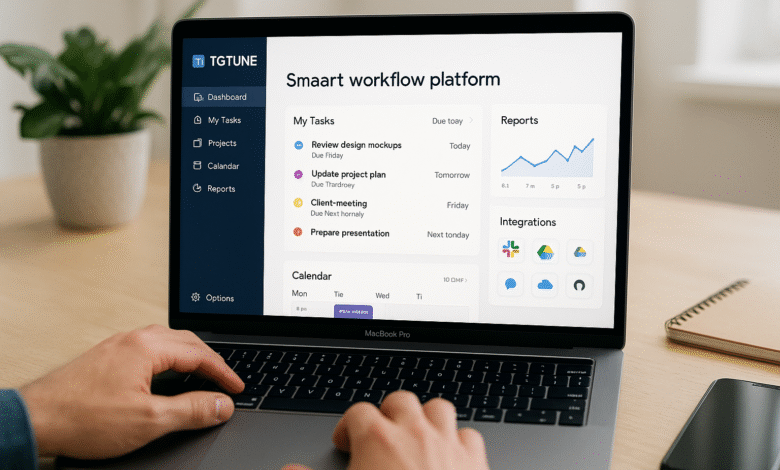
Personalized dashboards
-
Multi-device optimization
Together, these features ensure a seamless and responsive user experience across all devices.
Practical Uses of TGTUNE in Different Fields
For Businesses
Organizations use TGTUNE to streamline workflows, enhance collaboration, manage tasks, and improve communication. Teams benefit from customizable dashboards, simplified reporting tools, and automated processes. This leads to better performance and reduced operational costs.
For Students and Educators
Students rely on TGTUNE to organize assignments, track deadlines, and simplify research. Educators use it for lesson planning, sharing educational resources, and engaging students through interactive digital tools.
For Individual Users
Everyday users benefit from TGTUNE for:
-
Personal scheduling
-
Organizing digital files
-
Managing online communication
-
Reducing screen fatigue
-
Structuring daily routines
Whether you’re planning your day or managing multiple activities, TGTUNE helps keep everything clear and manageable.
What Makes TGTUNE Different from Other Tools?
Many productivity platforms offer basic features, but TGTUNE combines simplicity, adaptability, and personalization in one system. It doesn’t overwhelm users with complex setups, nor does it limit advanced users. Its flexibility makes it unique.
Continuous Improvement
TGTUNE regularly releases updates based on user feedback, ensuring the platform evolves with modern digital needs.
Strong Community Support
Users often share guides, tips, and solutions, helping newcomers easily navigate the platform. This community-driven support improves the overall experience and accessibility of TGTUNE.
Common Challenges and How TGTUNE Solves Them
Like any digital tool, TGTUNE may present minor challenges. Some users feel overwhelmed by the wide range of features at first. However, onboarding tutorials and customer support make the learning process simple.
Another issue is compatibility with older devices, but TGTUNE continues to improve its integration capabilities to support a wide range of systems.
FAQs About TGTUNE
1. What is TGTUNE mainly used for?
TGTUNE is used to enhance digital workflows by automating tasks, personalizing tools, and integrating multiple platforms into a unified system.
2. Is TGTUNE easy for beginners?
Yes, TGTUNE is designed with simplicity in mind. Its clean interface and helpful tutorials make it perfect for beginners.
3. Can businesses of all sizes use TGTUNE?
Absolutely. TGTUNE offers scalable features, making it ideal for startups, medium-sized companies, and large enterprises.
4. Does TGTUNE support mobile devices?
Yes, TGTUNE is optimized for both mobile and desktop use, ensuring productivity wherever you go.
5. How frequently is TGTUNE updated?
The platform receives frequent updates based on user feedback and technological advancements.
blogbuz