Superfood Guide Lwspeakcare: Eat Smarter for a Healthier Life

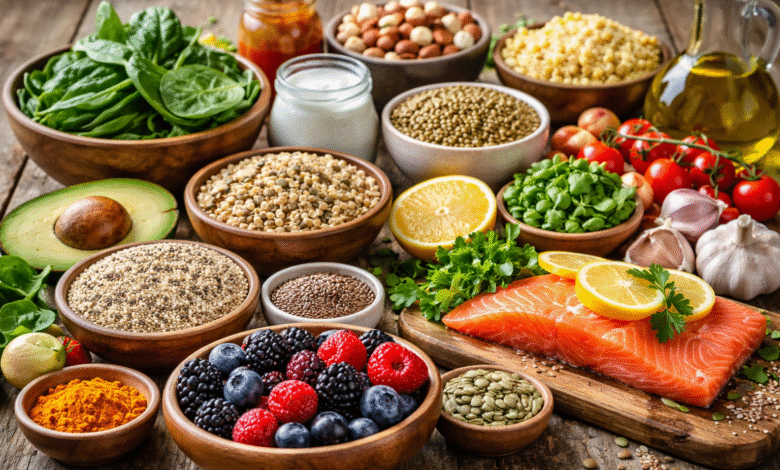
In a world where busy schedules and processed foods dominate daily life, maintaining good health has become a real challenge. This is where the superfood guide lwspeakcare plays a vital role. It serves as a practical and science-backed approach to improving nutrition through foods that offer exceptional health benefits. Instead of following extreme diets or expensive trends, this guide focuses on nutrient-dense foods that support long-term wellness.
The superfood guide lwspeakcare is designed to help individuals make smarter food choices, enhance energy levels, strengthen immunity, and reduce the risk of chronic diseases. By understanding what superfoods truly are and how to use them effectively, anyone can build a healthier lifestyle without unnecessary complexity.
Table of Contents
ToggleUnderstanding Superfoods Beyond the Hype
Superfoods are often misunderstood as a marketing concept, but their value is grounded in nutrition science. These foods are rich in vitamins, minerals, antioxidants, fiber, and healthy fats, all of which contribute to optimal body function. What makes them unique is their high nutrient density, meaning they provide maximum nutrition with relatively few calories.
According to the superfood guide lwspeakcare, superfoods support heart health, brain function, digestion, and immune strength. They also help fight inflammation and oxidative stress, two major contributors to aging and disease. Incorporating these foods into daily meals is a practical way to improve overall health without drastic lifestyle changes.
Essential Superfoods Every Kitchen Should Have
Berries: Antioxidant-Rich Natural Protectors
Berries such as blueberries, strawberries, goji berries, and acai are among the most powerful superfoods. They are loaded with antioxidants that protect cells from damage, support brain health, and reduce inflammation. Research consistently links regular berry consumption with improved memory and heart health.
The superfood guide lwspeakcare recommends adding berries to breakfast bowls, smoothies, or snacks. Frozen berries are just as nutritious as fresh ones and are often more affordable, making them a smart everyday choice.
Leafy Greens: The Core of a Healthy Diet
Leafy vegetables like spinach, kale, Swiss chard, and collard greens form the foundation of a nutrient-rich diet. These greens are high in vitamins A, C, K, and folate, which support vision, bone health, and immune function. Their fiber content also promotes digestion and stable blood sugar levels.
The superfood guide lwspeakcare emphasizes variety. Rotating different greens ensures a wider range of nutrients. They can be eaten raw in salads, blended into smoothies, or lightly cooked to enhance flavor and absorption.
Nuts and Seeds: Small Foods with Big Benefits
Nuts and seeds may be small, but their nutritional impact is significant. Almonds, walnuts, chia seeds, flaxseeds, and hemp seeds provide healthy fats, plant protein, and essential minerals. Walnuts are especially rich in omega-3 fatty acids, which support heart and brain health.
As highlighted in the superfood guide lwspeakcare, consuming a small portion daily can help reduce cholesterol and inflammation. They are easy to include in meals by sprinkling them over oatmeal, yogurt, or salads.
Fatty Fish: Omega-3 Powerhouses
Fatty fish such as salmon, sardines, mackerel, and anchovies are essential sources of omega-3 fatty acids and vitamin D. These nutrients are crucial for cardiovascular health, cognitive function, and inflammation control.
The superfood guide lwspeakcare advises eating fatty fish at least twice a week. While wild-caught fish may offer higher nutritional value, both wild and farmed options contribute positively to a balanced diet.
Fermented Foods: Supporting Gut Health Naturally
Fermented foods like yogurt, kefir, kimchi, and sauerkraut contain beneficial probiotics that improve digestion and strengthen the immune system. A healthy gut microbiome influences mood, immunity, and nutrient absorption.
According to the superfood guide lwspeakcare, fermented foods should be introduced gradually to allow the digestive system to adapt. Small, consistent servings are the key to long-term gut health benefits.
Ancient Grains and Legumes for Lasting Energy
Quinoa and Other Ancient Grains
Quinoa stands out as a complete protein, containing all nine essential amino acids. Other ancient grains such as amaranth, teff, and farro provide complex carbohydrates that release energy slowly, preventing blood sugar spikes.
The superfood guide lwspeakcare highlights these grains as excellent options for sustained energy and mineral intake, particularly for individuals following plant-based diets.
Legumes: Affordable Plant-Based Nutrition
Lentils, chickpeas, black beans, and kidney beans are nutritional staples packed with fiber, protein, and essential nutrients. They promote heart health, support weight management, and help regulate blood sugar.
The superfood guide lwspeakcare encourages consuming legumes several times a week due to their versatility, affordability, and long shelf life.
How to Maximize the Benefits of Superfoods
Building Nutrient-Dense Meals
Combining multiple superfoods in one meal increases nutritional value. Bowls made with quinoa, leafy greens, legumes, avocado, and seeds provide balanced macronutrients and micronutrients in one serving.
Smoothies are another effective way recommended by the superfood guide lwspeakcare to include several superfoods at once, especially for those with limited time.
Proper Timing and Preparation
Certain nutrients are absorbed better when eaten with complementary foods. For example, fat-soluble vitamins from greens are better absorbed with healthy fats. Light cooking methods like steaming preserve nutrients, while soaking seeds and legumes improves digestibility.
The superfood guide lwspeakcare stresses that preparation methods can significantly influence nutritional outcomes.
Making Superfoods Affordable and Sustainable
Superfoods do not need to be expensive. Buying seasonal produce, choosing frozen fruits, and purchasing dried grains and legumes are cost-effective strategies. Growing herbs or leafy greens at home can further reduce expenses.
Meal planning is another key principle of the superfood guide lwspeakcare. Preparing meals in advance saves time, reduces food waste, and encourages healthier eating habits throughout the week.
Conclusion: A Smarter Way to Nourish Your Body
The superfood guide lwspeakcare is not about strict rules or unrealistic diets. It promotes informed, balanced choices that nourish the body and support long-term health. By gradually incorporating superfoods into daily meals, individuals can experience improved energy, better digestion, and enhanced overall wellbeing.
Consistency is more important than perfection. Small changes, practiced regularly, lead to lasting health benefits.
Frequently Asked Questions (FAQs)
Q1: What is the superfood guide lwspeakcare?
The superfood guide lwspeakcare is a nutritional approach that focuses on nutrient-dense foods to support overall health, immunity, and energy.
Q2: Are superfoods expensive to include daily?
No. The superfood guide lwspeakcare emphasizes affordable options like legumes, frozen berries, and seasonal produce.
Q3: How often should superfoods be consumed?
Superfoods can be eaten daily in moderate portions as part of a balanced diet.
Q4: Can vegetarians follow the superfood guide lwspeakcare?
Yes. The guide includes many plant-based superfoods such as legumes, nuts, seeds, and ancient grains.
Q5: Do superfoods replace medical treatment?
No. The superfood guide lwspeakcare supports general wellness but does not replace professional medical care.
blogbuz