Mountain Drailegirut Height: An In-Depth Exploration of Elevation, Geography, and Importance

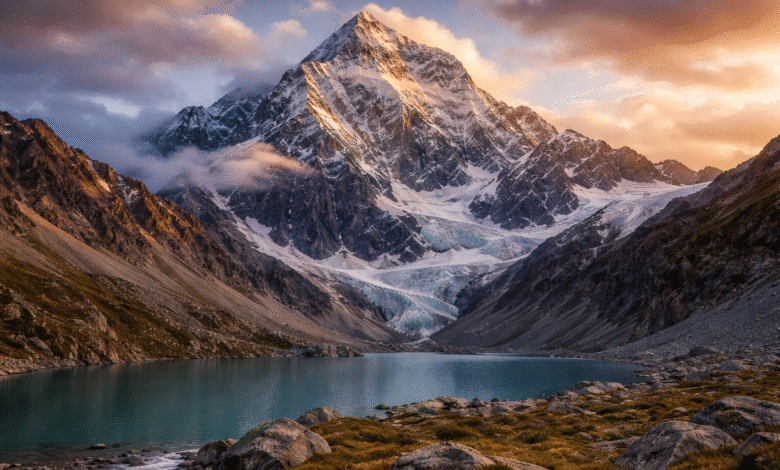
Table of Contents
ToggleIntroduction to Mountain Drailegirut Height
When people search for mountain drailegirut height, they are often seeking more than a simple elevation figure. A mountain’s height influences climate, ecosystems, human activity, and geological processes. Mountain Drailegirut may not be as internationally famous as some of the world’s tallest peaks, but its elevation and environmental role make it an important subject for researchers, climbers, and geographers alike.
Understanding the mountain drailegirut height allows us to appreciate how elevation shapes landscapes, weather systems, and biodiversity. This article offers a complete and expert-level overview, covering the mountain’s elevation, formation, climatic influence, ecological value, and human relevance.
Understanding the Mountain Drailegirut Height
The officially recorded mountain drailegirut height is approximately 6,180 meters (20,275 feet) above sea level. This elevation places it among the world’s high mountains, even though it does not exceed the 8,000-meter threshold. Despite this, the mountain’s height still creates demanding environmental and physiological conditions.
One notable feature of the mountain drailegirut height is its strong vertical prominence. The mountain rises steeply from surrounding valleys, making it appear taller than its measured elevation. This sharp rise contributes to rapid weather changes and thinner air at comparatively lower altitudes.
Scientific studies show that the mountain drailegirut height remains largely stable, with only minor variations caused by tectonic movement. These subtle changes indicate that the mountain is still geologically active beneath the surface.
Geographic Location and Regional Setting
To fully understand the mountain drailegirut height, it is essential to consider its geographic surroundings. Drailegirut is situated in a remote high-altitude region marked by rugged ridges, glacial rivers, and deep valleys. Its isolation has played a major role in keeping it relatively unknown for many years.
The surrounding plateau already sits at a significant elevation, meaning the base of the mountain begins much higher than many well-known peaks elsewhere. As a result, the effects of the mountain drailegirut height are felt earlier during ascent, increasing altitude-related challenges.
Additionally, the mountain’s height influences regional weather patterns. Acting as a natural barrier, Drailegirut forces moist air to rise, leading to precipitation on one side and drier conditions on the other. This has long-term effects on water availability, vegetation, and wildlife.
Geological Formation and Origin of Its Height
The impressive mountain drailegirut height is the outcome of millions of years of tectonic activity. Unlike volcanic mountains, Drailegirut was formed through the collision and compression of continental plates, slowly pushing layers of rock upward.
Geological surveys reveal that the mountain’s core consists mainly of metamorphic rock, formed under extreme heat and pressure. This strong composition helps preserve the mountain drailegirut height despite constant erosion from wind, ice, and snowfall.
Interestingly, Drailegirut continues to rise by a few millimeters each year. While this growth is unnoticeable on a human timescale, it confirms that the mountain drailegirut height is part of an ongoing geological process rather than a fixed measurement.
Climate Zones Created by Mountain Drailegirut Height
The mountain drailegirut height creates distinct climate zones along its slopes. At lower elevations, the climate is relatively moderate, supporting seasonal vegetation and flowing streams. Temperatures decrease rapidly as elevation increases.
Mid-level zones experience heavy snowfall, strong winds, and frequent fog, especially during seasonal transitions. These conditions affect plant growth and make travel more difficult for both humans and wildlife.
Near the summit, the effects of the mountain drailegirut height become extreme. Temperatures remain below freezing throughout the year, oxygen levels are dangerously low, and wind speeds can reach severe levels. These harsh conditions explain why the upper regions remain largely untouched.
Impact of Mountain Drailegirut Height on Biodiversity
The mountain drailegirut height plays a crucial role in shaping biodiversity. Its elevation creates vertically separated ecosystems, each hosting species adapted to specific environmental conditions.
Lower slopes support shrubs, grasses, and grazing animals, while mid-altitudes are home to alpine plants and specialized bird species. As elevation increases, fewer species can survive, but those that do are highly adapted to cold and low-oxygen environments.
Scientists value the mountain drailegirut height because it allows them to study how life adapts across altitude gradients. These findings are essential for understanding climate resilience and ecosystem vulnerability.
Human Interaction and Cultural Importance
For nearby communities, the mountain drailegirut height carries deep cultural meaning. Traditional stories often describe the mountain as a symbol of strength, protection, and permanence. Its towering presence has shaped local identity for generations.
Historically, Drailegirut acted as a natural boundary between regions. Its height made travel difficult, influencing trade routes and settlement patterns. Even today, many trails follow paths established centuries ago.
Modern interest in the mountain drailegirut height has increased among researchers and trekkers. However, access is carefully regulated to protect the fragile high-altitude environment.
Mountaineering Challenges and Altitude Risks
Climbing Drailegirut requires respect for the mountain drailegirut height and its physical impact on the human body. Reduced oxygen levels can lead to altitude sickness, even among experienced climbers.
Symptoms such as headaches, nausea, and fatigue are common without proper acclimatization. Climbers often spend several days at intermediate camps to allow their bodies to adjust.
In addition to altitude, Drailegirut’s steep terrain and unpredictable weather add to the challenge. Icefalls, rockslides, and sudden storms are frequent risks intensified by the mountain’s height.
Scientific Measurement and Monitoring
Accurately determining the mountain drailegirut height has evolved over time. Early measurements relied on basic surveying methods, often producing inconsistent results.
Today, satellite GPS systems and laser altimetry provide precise data. These tools allow scientists to monitor even minor changes caused by tectonic uplift or glacial movement.
Ongoing monitoring ensures that the mountain drailegirut height remains accurately recorded as environmental conditions continue to evolve.
Environmental Concerns and Conservation
The mountain drailegirut height makes it especially sensitive to climate change. Rising global temperatures are accelerating glacial melt, affecting downstream water systems.
Environmental organizations focus on preserving the mountain by limiting human impact and encouraging sustainable research practices. Protecting Drailegirut is about safeguarding an entire ecological system, not just maintaining its elevation.
Why Mountain Drailegirut Height Matters
In the modern world, the mountain drailegirut height serves as a valuable reference point for climate science, geology, and human endurance. Its elevation influences weather, ecosystems, and cultural traditions.
Understanding the mountain drailegirut height helps us recognize how interconnected Earth’s natural systems truly are. Drailegirut stands as a reminder that elevation carries meaning far beyond numbers.
Final Thoughts
The mountain drailegirut height represents a powerful combination of natural forces, scientific significance, and human curiosity. Rising more than six kilometers above sea level, Drailegirut shapes its environment in profound ways.
From geological growth to climate influence and ecological diversity, its height defines everything around it. Studying and respecting this mountain allows us to better understand our planet and our place within it.
FAQs About Mountain Drailegirut Height
1. What is the mountain drailegirut height?
The mountain drailegirut height is approximately 6,180 meters (20,275 feet) above sea level.
2. Is mountain drailegirut height considered extreme?
Yes, while not among the tallest peaks globally, its height creates serious altitude and environmental challenges.
3. Does the mountain drailegirut height change over time?
Minor changes occur due to tectonic uplift and erosion, but they are extremely small.
4. Why is mountain drailegirut height important for research?
Its elevation creates multiple climate zones, making it ideal for studying altitude-related changes.
5. Can beginners climb Drailegirut?
Due to the mountain drailegirut height and harsh conditions, it is suitable only for experienced climbers.