Understanding Inomyalgia: Symptoms, Causes, and Treatments

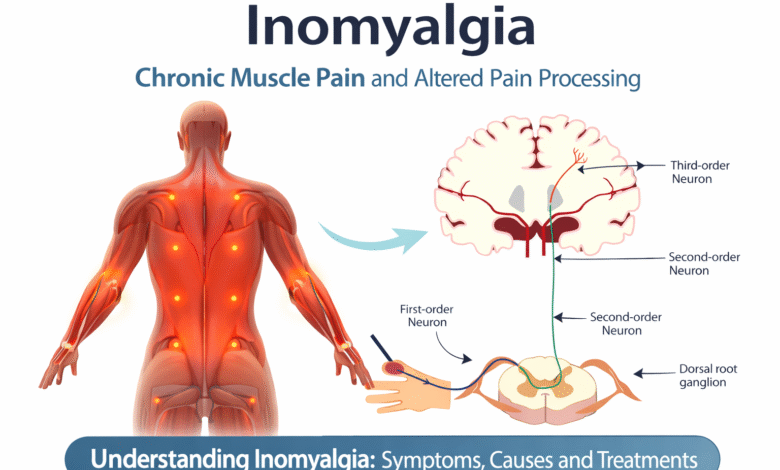
Chronic muscle pain can quietly take control of daily life, affecting both physical comfort and emotional balance. Inomyalgia is a condition often misunderstood and overlooked, leaving many people searching for answers. Individuals living with inomyalgia commonly face persistent muscle pain, fatigue, and mental exhaustion that interfere with everyday activities.
This article explains Inomyalgia in detail, covering symptoms, causes, diagnosis, treatments, lifestyle changes, and coping strategies to help readers better understand and manage the condition.
Table of Contents
ToggleWhat Is Inomyalgia?
Inomyalgia is a chronic condition marked by widespread muscle pain and tenderness. The discomfort does not stay in one location and may shift across different muscle groups. Pain can range from mild aching to deep, persistent soreness that lasts for months or longer.
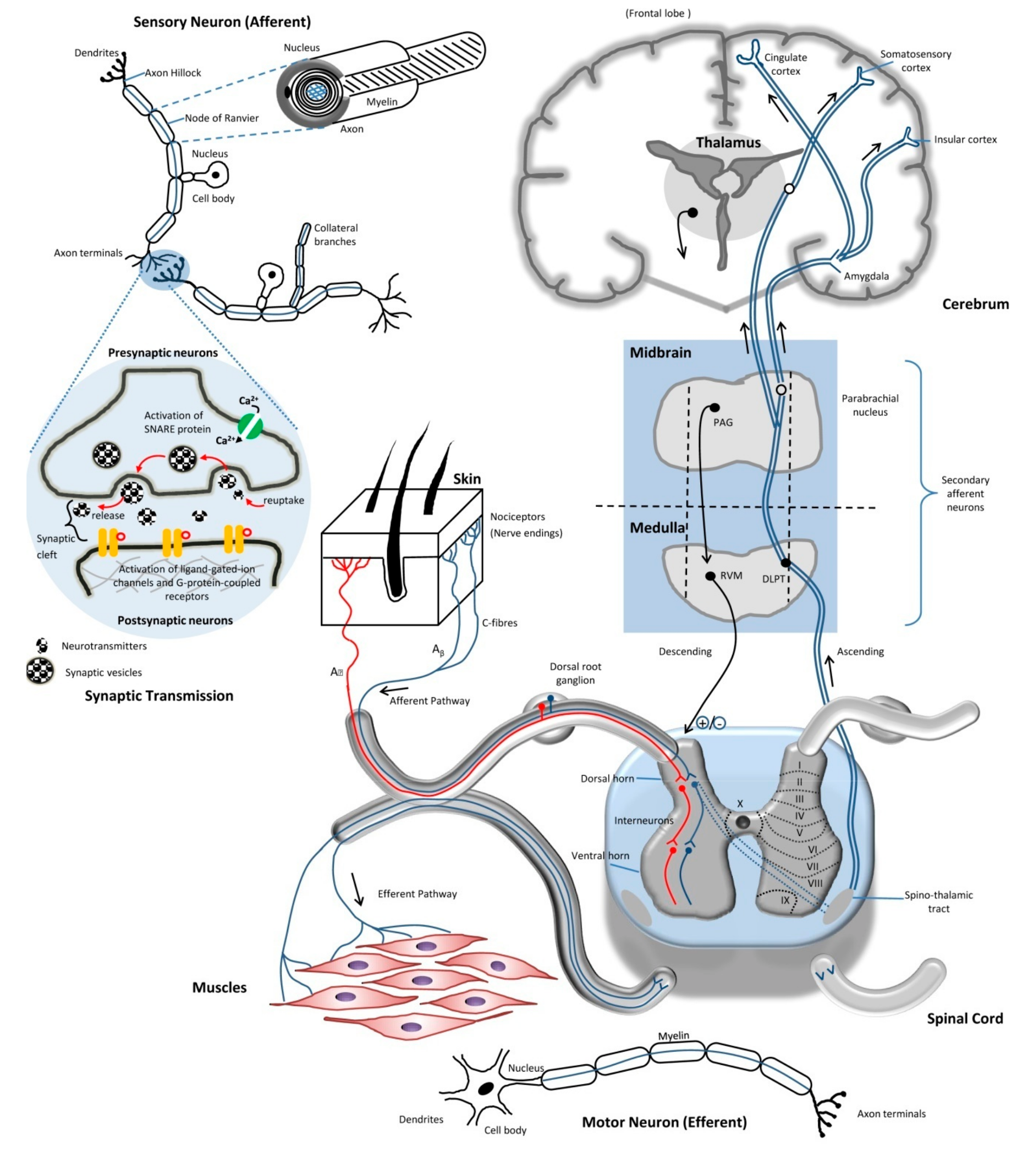
Inomyalgia is not caused by muscle damage. Instead, it is linked to how the nervous system processes pain signals, making the body more sensitive to physical sensations.


Common Symptoms of Inomyalgia
The symptoms of Inomyalgia vary in intensity but often remain consistent over time. Widespread muscle pain is the most common symptom and may worsen with physical or emotional stress.
Fatigue is another major complaint. Many people with inomyalgia feel exhausted even after adequate sleep. Cognitive issues such as difficulty concentrating and memory problems are also common. Sleep disturbances, including insomnia or restless sleep, frequently accompany inomyalgia and worsen fatigue.


Possible Causes of Inomyalgia
The exact cause of Inomyalgia is still unknown, but experts believe it develops due to multiple factors working together. Genetics may increase the likelihood of developing inomyalgia, especially if it runs in families.
Physical trauma, infections, or long-term stress can trigger symptoms. Changes in brain chemistry may also increase pain sensitivity, making the body react more strongly to normal sensations.


Diagnosis and Treatment Options
There is no single test to diagnose Inomyalgia. Doctors rely on symptom history, duration of pain, and physical evaluations. Muscle pain lasting longer than three months is a key factor.
Treatment focuses on symptom management. Medications may help reduce pain, improve sleep, or support emotional health. Physical therapy and gentle exercise are commonly recommended to maintain muscle function without triggering flare-ups.


Lifestyle Changes to Manage Inomyalgia
Lifestyle adjustments are essential for controlling Inomyalgia symptoms. Low-impact activities like walking or stretching help maintain flexibility and reduce stiffness.
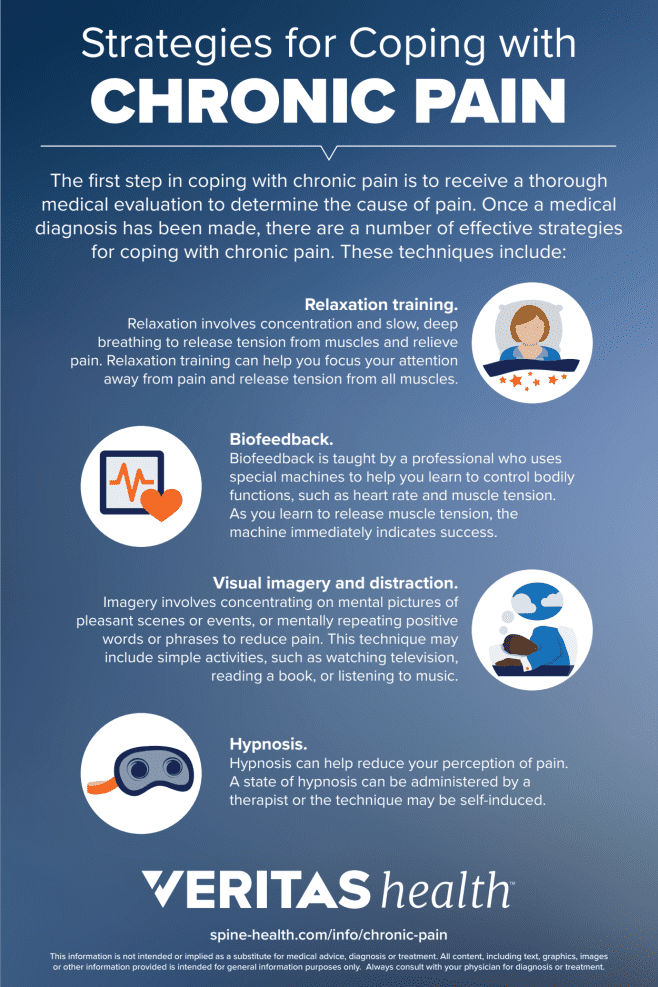
A balanced diet, proper hydration, and consistent sleep routines support overall health. Stress management techniques such as meditation and relaxation exercises can significantly reduce symptom flare-ups.


Alternative Therapies for Inomyalgia Relief
Many individuals with Inomyalgia turn to alternative therapies for additional relief. Practices like yoga, acupuncture, and massage therapy may reduce muscle tension and promote relaxation.
Mindfulness techniques help individuals cope with pain by improving emotional awareness and stress control. These therapies are often most effective when combined with medical treatment.


Coping With Inomyalgia
Living with Inomyalgia requires emotional resilience as well as physical care. Creating a structured daily routine helps prevent overexertion and reduces stress.
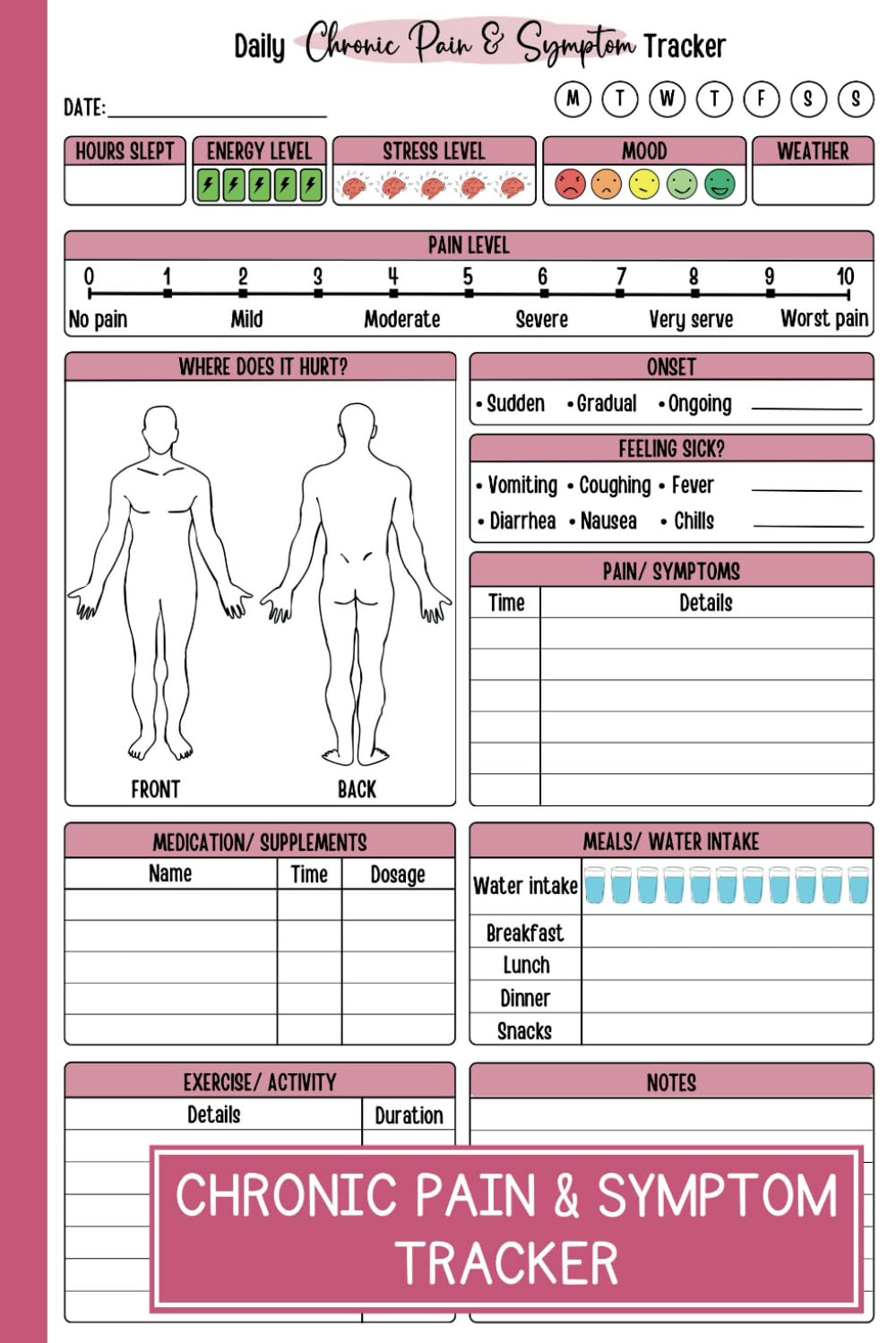
Support groups and online communities offer encouragement and shared experiences. Journaling symptoms can help identify triggers and track improvement. Professional counseling may also support emotional well-being.


Conclusion
Inomyalgia is a long-term condition, but understanding it empowers individuals to manage symptoms more effectively. Through medical care, lifestyle changes, alternative therapies, and emotional support, people living with inomyalgia can improve their quality of life and regain confidence in daily activities.
FAQs About Inomyalgia
Q1: Is inomyalgia a muscle injury?
No, inomyalgia involves pain processing rather than muscle damage.
Q2: Can inomyalgia be cured?
There is no cure, but symptoms can be managed effectively.
Q3: Does stress affect inomyalgia?
Yes, stress can worsen inomyalgia symptoms.
Q4: Is exercise helpful for inomyalgia?
Gentle exercise often reduces stiffness and pain.
Q5: Is inomyalgia permanent?
It is chronic, but many people successfully manage symptoms.
Read also: Is Ingredients in Xizdouyriz0 Good? A Complete Ingredient Quality Review