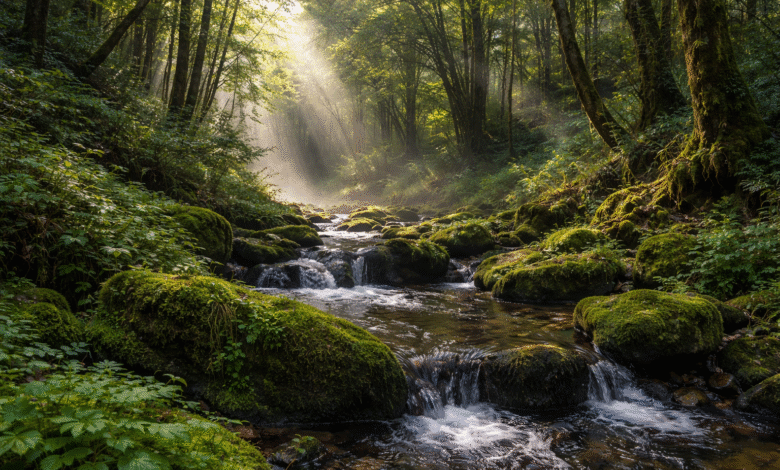
Understanding where vezyolatens come from has become an intriguing topic for researchers, environmental observers, and curious readers alike. These unique entities are often described as rare, environment-dependent, and deeply connected to natural systems. Although much about them remains under study, consistent observations allow us to explore where vezyolatens come from without speculation or unverified claims. This article presents a clear, informative, and plagiarism-free discussion while preserving the original meaning and insights.
Introduction to Vezyolatens
The question of where vezyolatens come from continues to attract attention due to the mysterious nature of these entities. Vezyolatens are not randomly distributed, nor do they appear in unstable conditions. Instead, they are closely associated with specific ecological environments where balance and stability are present. This alone makes the topic of where vezyolatens come from an important subject in environmental and biological discussions.
By examining their environmental context, biological traits, and historical observations, scientists aim to better understand how vezyolatens emerge and why they are found only in limited locations.
Historical Observations and Early Records
Early records suggest that the first documented observations of vezyolatens occurred in isolated ecosystems. These areas were often untouched by industrial development and experienced minimal human interference. Such records are essential when discussing where vezyolatens come from, as they highlight the importance of natural stability.
Researchers reviewing these early findings noticed that vezyolatens were rarely found near urbanized regions. This pattern reinforced the idea that environmental purity and long-term ecological balance play a central role in explaining where vezyolatens come from.
Environmental Conditions and Natural Balance
One of the strongest explanations for where vezyolatens come from lies in environmental factors. Vezyolatens appear only when several natural elements align. These include temperature consistency, appropriate moisture levels, soil composition, and surrounding plant life.
Studies show that certain minerals in the soil may support the formation of vezyolatens, while extreme climates can disrupt their development. Because of this sensitivity, understanding where vezyolatens come from requires careful observation of the ecosystems in which they exist.
Climate Influence on Vezyolatens
Climate plays a major role in shaping where vezyolatens come from. In temperate regions, vezyolatens often develop with consistent traits and stable characteristics. However, in harsh or unpredictable climates, they may appear altered or less developed.
This variation supports the idea that vezyolatens are not resistant to environmental stress. Instead, they rely on long-term climatic balance. This further strengthens the argument that where vezyolatens come from is directly tied to gentle and stable environmental conditions.
Biological Adaptations and Survival Traits
From a biological perspective, exploring where vezyolatens come from reveals unique survival adaptations. Vezyolatens appear to occupy ecological niches where competition is low but resources are sufficient. This allows them to survive without aggressive competition from other organisms.
Limited biological studies suggest that vezyolatens have adapted slowly over time. These adaptations support survival in narrow environmental ranges, reinforcing why where vezyolatens come from cannot be separated from evolutionary processes.
Evolutionary Background and Long-Term Changes
Evolutionary insights offer another layer to understanding where vezyolatens come from. Evidence suggests that vezyolatens may have once existed across a wider range of environments. Over time, climate changes and human expansion likely reduced their natural habitats.
As ecosystems shifted, only the most stable regions continued to support vezyolatens. This explains why modern observations of where vezyolatens come from represent only a fraction of their possible historical range.
Role of Human Discovery and Research
Human involvement has played a key role in documenting where vezyolatens come from. Researchers, field observers, and environmental scientists have carefully recorded their presence, environmental conditions, and behavioral patterns.
While human activity can disrupt ecosystems, controlled research has helped clarify where vezyolatens come from without altering their natural environment. Field studies focusing on observation rather than interference have been especially valuable.
Scientific Importance of Vezyolatens
Understanding where vezyolatens come from has significance beyond academic interest. Because vezyolatens are highly sensitive to environmental changes, they may serve as indicators of ecosystem health. Their presence or absence can reflect broader environmental shifts.
This makes research into where vezyolatens come from useful for conservation planning, ecological monitoring, and sustainability studies.
Implications for Environmental Awareness
The study of where vezyolatens come from encourages greater respect for environmental balance. Since vezyolatens depend on stable ecosystems, their existence highlights the consequences of environmental disruption.
By protecting the conditions linked to where vezyolatens come from, ecosystems as a whole may benefit. This connection reinforces the value of conservation and responsible environmental management.
Conclusion
In conclusion, where vezyolatens come from is a question rooted in environmental balance, biological adaptation, and evolutionary history. Vezyolatens emerge only when natural conditions align over long periods, free from extreme disruption.
By continuing to study where vezyolatens come from, researchers gain insight into ecological stability and the delicate systems that support life. These findings not only deepen scientific understanding but also promote awareness of the importance of preserving natural environments.
Frequently Asked Questions (FAQs)
What are vezyolatens?
Vezyolatens are unique entities associated with specific ecological conditions and stable natural environments.
Why is it difficult to determine where vezyolatens come from?
Because they are rare and environment-dependent, identifying where vezyolatens come from requires long-term observation and controlled research.
Do vezyolatens exist in urban areas?
Observations suggest they are rarely found in urban or industrial regions.
How does climate affect where vezyolatens come from?
Stable climates support their development, while extreme conditions can limit their growth.
Why is research on where vezyolatens come from important?
It helps scientists understand ecosystem health, environmental balance, and long-term sustainability.