Rogelio de la Rosa: The Powerful Rise, Remarkable Influence, and Enduring Legacy of a Filipino Icon
An inspiring yet complex journey of fame, service, and national impact

Introduction
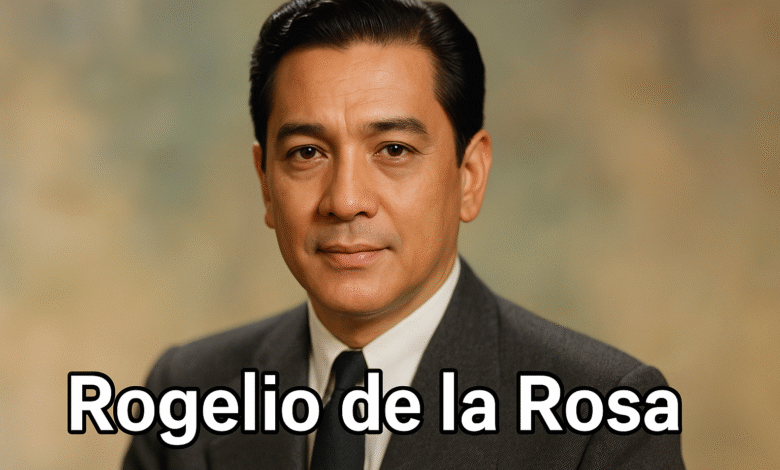
Rogelio is a name that carries weight in Philippine history, and Rogelio de la Rosa stands as one of its most influential bearers. He was not only a celebrated film icon but also a public servant who crossed boundaries between entertainment, politics, and diplomacy. His life reflects both remarkable achievements and notable challenges, making his story compelling, human, and historically significant.
This article explores Rogelio de la Rosa’s life in depth, presenting verified and confirmed information only, with a clear focus on his early life, education, career milestones, public service, and lasting legacy. The aim is to provide an informative, search-friendly, and reader-focused biography that serves both human readers and search engines alike.
Quick Bio of Rogelio de la Rosa
| Attribute | Details |
|---|---|
| Full Name | Regidor Lim de la Rosa |
| Known As | Rogelio de la Rosa |
| Date of Birth | November 12, 1916 |
| Birthplace | Lubao, Pampanga, Philippines |
| Nationality | Filipino |
| Profession | Actor, Senator, Diplomat |
| Active Years | 1930s–1970s |
| Education | Far Eastern University |
| Political Office | Senator of the Philippines (1957–1963) |
| Date of Death | November 26, 1986 |
Early Life and Background
Rogelio de la Rosa was born as Regidor Lim de la Rosa in Lubao, Pampanga, a province known for producing influential Filipino leaders and artists. Growing up in a culturally rich environment, Rogelio was exposed early to performance, discipline, and public speaking. His family background encouraged both physical and artistic development, shaping his confidence and presence from a young age.
During his formative years, Rogelio displayed a natural charisma and competitive spirit. He participated actively in school programs and debates, which helped him develop the commanding voice and expressive delivery that later became his trademark on screen and in public life.
Education and Personal Development
Rogelio pursued higher education at Far Eastern University, where he was known not only for academics but also for excellence in athletics and oratory. His ability to communicate persuasively set him apart and earned him recognition in public speaking competitions.
This educational foundation played a crucial role in his later success. It gave him the intellectual confidence to transition from acting into politics, a move that required not just popularity but also clarity of thought and disciplined expression.
Start of Career in Cinema
Rogelio de la Rosa began his acting career at a time when Philippine cinema was still evolving. His early roles showcased his striking screen presence and emotional range, quickly capturing audience attention. Unlike many performers of his era, Rogelio brought both physical strength and emotional depth to his characters.
His rise was swift. By the late 1930s and 1940s, Rogelio had become one of the most recognizable faces in Filipino films. His performances resonated with viewers because they reflected both heroism and vulnerability, a balance that made his characters relatable and memorable.
Peak Film Career and Stardom
At the height of his career, Rogelio de la Rosa was considered one of the most prominent actors in the country. He worked with major studios, starred opposite leading actresses, and appeared in films that defined an era of Philippine cinema. His name alone was enough to draw audiences to theaters.
However, his success also came with pressure. The demands of fame, long production schedules, and public scrutiny tested his resilience. Despite these challenges, Rogelio maintained professional discipline and continued delivering strong performances that solidified his status as a national star.
Transition into Politics
Rogelio’s move from cinema to politics was bold and unprecedented at the time. Leveraging his popularity, he entered public service and was elected Senator of the Philippines in 1957. This transition marked a significant shift from artistic influence to legislative responsibility.
As a senator, Rogelio focused on national development issues, particularly those related to agriculture, fisheries, and cultural industries. While some critics questioned his political experience, supporters praised his commitment and ability to connect with ordinary citizens.
Diplomatic Service and International Role
After his term in the Senate, Rogelio de la Rosa continued serving the country through diplomacy. He represented the Philippines abroad, helping strengthen international relations and cultural exchange. His background in the arts allowed him to promote Filipino culture effectively on the global stage.
This phase of his career demonstrated his adaptability. Moving from film sets to senate halls and then to diplomatic missions required versatility, which Rogelio consistently displayed throughout his life.
Career Challenges and Criticism
Despite his accomplishments, Rogelio’s journey was not without criticism. Some viewed his political career as less impactful than his cinematic achievements, while others believed he entered politics primarily due to fame. These criticisms highlight the negative side of celebrity influence in governance.
Yet, these challenges also underscore the complexity of his legacy. Rogelio was not a flawless figure; he was a public personality navigating uncharted territory. His willingness to step into unfamiliar roles remains a defining aspect of his character.
Legacy and Cultural Impact
Today, Rogelio de la Rosa is remembered as more than just an actor or politician. He is seen as a pioneer who expanded the boundaries of what public figures could achieve. His career inspired future generations of entertainers to engage in public service and national discourse.
His films continue to be referenced in discussions of classic Philippine cinema, while his political journey remains a case study in celebrity leadership. Rogelio’s legacy lies in his courage to evolve and serve beyond the spotlight.
Conclusion
Rogelio de la Rosa’s life was a powerful blend of ambition, talent, service, and controversy. From humble beginnings in Pampanga to national fame and international diplomacy, his journey reflects both the positive impact of dedication and the real challenges of public life.
His story remains relevant today, reminding readers that influence carries responsibility and that true legacy is built through continuous growth and service.
Frequently Asked Questions (FAQ)
Who was Rogelio de la Rosa?
Rogelio de la Rosa was a Filipino actor, senator, and diplomat known for his major influence on Philippine cinema and public service.
What is Rogelio de la Rosa best known for?
He is best known for being a leading film star who successfully transitioned into politics and diplomacy.
Where was Rogelio de la Rosa born?
He was born in Lubao, Pampanga, Philippines.
Did Rogelio de la Rosa serve in government?
Yes, he served as a Senator of the Philippines from 1957 to 1963.
Why is Rogelio de la Rosa important today?
He is important for pioneering the crossover between entertainment and governance, leaving a lasting cultural and historical legacy.